.png?width=258&height=54&name=Landice_logo%20(1).png)
Indoor vs. Outdoor Summer Training: When to Stay Inside
August 14, 2026

Summer can be an excellent time to stay active. Longer days and warmer weather make outdoor walking, running, and cycling more appealing, but heat and humidity can also place additional stress on the body and affect workout performance.
Knowing when to move your workout indoors can help you exercise more comfortably, maintain the quality of your training, and avoid heat-related illness.
How Heat Affects Exercise Performance
During exercise, working muscles generate heat. The body responds by increasing blood flow to the skin and producing sweat, which helps release that heat into the surrounding environment.
When outdoor temperatures rise, the body must work harder to keep its internal temperature within a safe range. More blood is directed toward the skin, leaving less available to support the exercising muscles. This can make a familiar pace feel more difficult, increase perceived effort, and cause fatigue to set in sooner.
As a result, you may notice:
- A higher heart rate at your usual pace
- Faster fatigue
- Reduced endurance
- Slower recovery
- Greater thirst
- Difficulty maintaining your normal workout intensity
These changes do not necessarily indicate a loss of fitness. They may simply reflect the additional work your body is performing to manage the heat.
Why Humidity Matters
Temperature is only part of the equation. Humidity can make outdoor exercise particularly challenging because it reduces the rate at which sweat evaporates from the skin.
Sweating alone does not cool the body effectively. Cooling occurs primarily when that sweat evaporates. When the air already contains a high level of moisture, evaporation slows, and the body may retain more heat, even when you are sweating heavily.
This is why a warm, humid day can feel more demanding than a hotter day with dry air. The heat index, which accounts for both temperature and humidity, can provide a better indication of how conditions may feel during a workout.
When an Indoor Workout May Be the Better Choice
Moving your workout indoors is not a sign of reduced commitment. It can be a smart training decision that allows you to preserve workout quality while reducing unnecessary environmental stress.
See Understanding the Different Types of Treadmill Workouts for more training tips.
Consider staying inside when:
- Heat or humidity is unusually high
- Air quality is poor
- There is a heat advisory in effect
- Your planned workout includes intervals, hills, or sustained high-intensity effort
- You cannot exercise during a cooler part of the day
- You have not yet adapted to exercising in hot weather
- You are recovering from illness or are already fatigued
- You have a medical condition or take medication that may affect temperature regulation or hydration
Age, health history, fitness level, and previous heat exposure can all influence how well an individual tolerates summer conditions. Anyone with cardiovascular, respiratory, or other medical concerns should speak with a qualified healthcare professional about exercising in extreme heat.
Warning Signs You Should Not Ignore
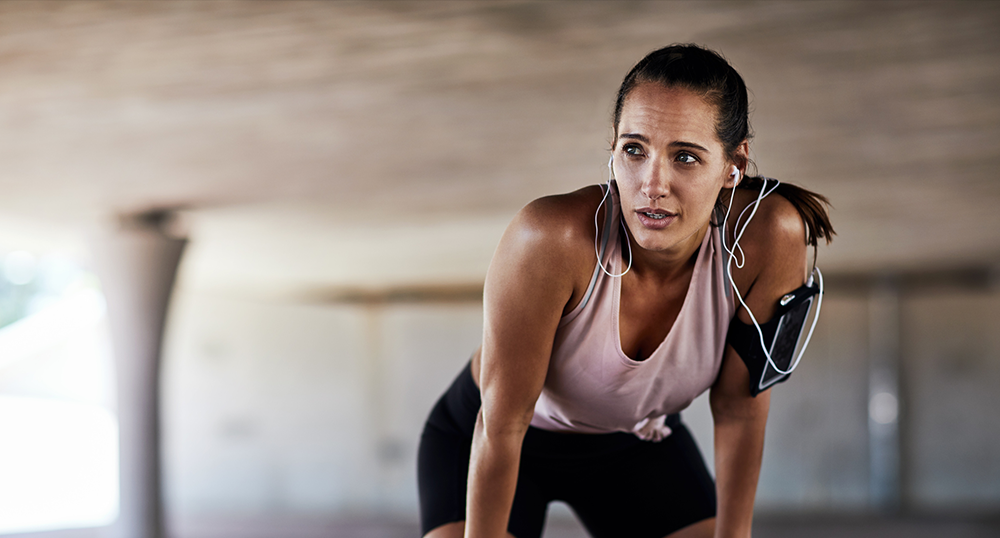
Even experienced exercisers can develop heat-related symptoms. Stop exercising and move to a cooler environment if you experience:
- Dizziness or lightheadedness
- Headache
- Nausea
- Unusual weakness
- Muscle cramps
- Chills or goosebumps despite the heat
- Confusion
- Loss of coordination
- A rapid heart rate that does not settle with reduced effort
Severe symptoms, especially confusion, fainting, or altered behavior, may indicate a medical emergency requiring immediate attention.
The Advantages of Indoor Summer Training
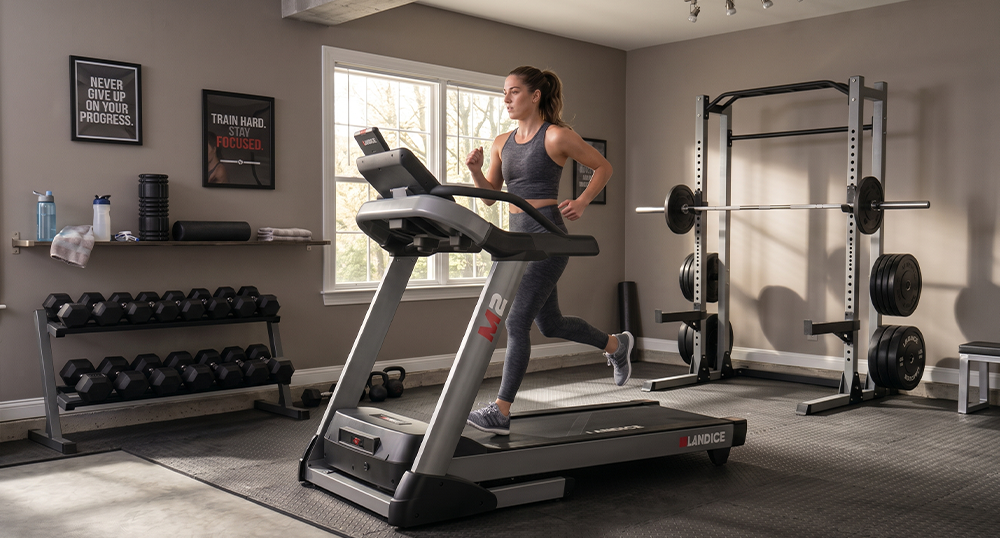
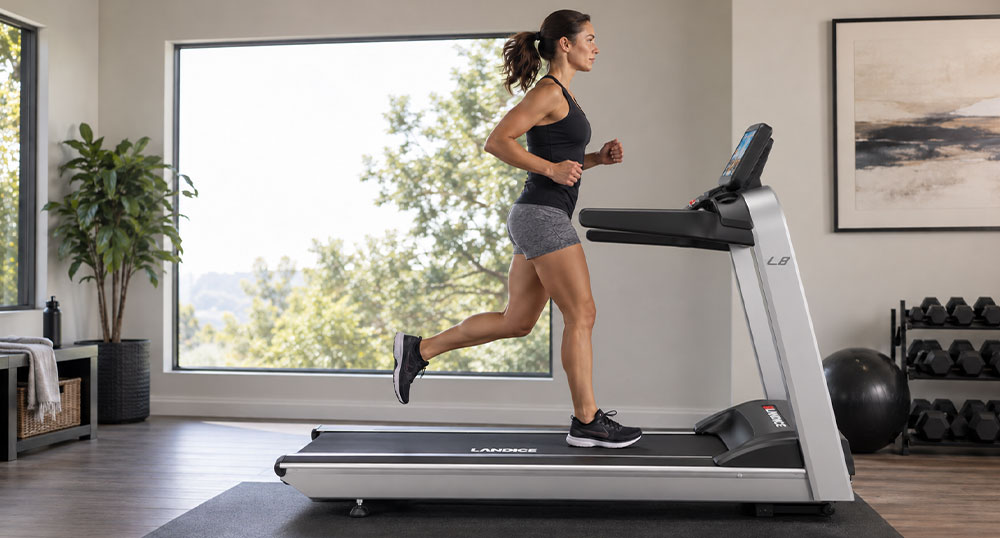
Indoor training provides a controlled environment where temperature, humidity, terrain, and pace are more predictable. A treadmill makes it possible to complete a structured workout without constantly adjusting for direct sunlight, poor air quality, sudden storms, or excessive heat.
It also allows you to control:
- Speed: Maintain a consistent pace or use precise interval settings.
- Incline: Simulate hills without prolonged sun exposure or unpredictable terrain.
- Duration: Complete the intended workout without cutting it short because conditions become uncomfortable.
- Intensity: Use pace and incline adjustments to stay within the desired training zone.
- Hydration: Keep water readily accessible throughout the session.
For runners and walkers following a structured program, this consistency can be especially valuable. Moving indoors helps preserve the purpose of the workout instead of allowing the weather to dictate its intensity.
How to Adapt an Outdoor Workout to the Treadmill
Most outdoor workouts can be transferred indoors with only minor adjustments.
For a steady walk or run, choose a comfortable pace and use a modest incline when desired to add variety. For hill training, alternate between higher-incline efforts and easier recovery periods. Speed intervals can be recreated by programming changes in pace, while longer endurance sessions can be made more engaging by varying speed and incline throughout the workout.
Do not feel obligated to match your outdoor pace exactly. Treadmill running and outdoor running feel different, and the best settings are those that produce the intended level of effort for that day’s workout.
If You Choose to Exercise Outdoors
When summer conditions are manageable, a few adjustments can make outdoor training safer and more comfortable:
- Exercise early in the morning or later in the evening.
- Select shaded routes when possible.
- Reduce your normal pace or workout duration.
- Wear lightweight, breathable clothing.
- Bring water and plan opportunities to refill it.
- Use sun protection.
- Allow time to gradually adapt to warmer conditions.
- Pay attention to changing weather and air-quality alerts.
- Avoid trying to “push through” symptoms of overheating.
It is also important to begin adequately hydrated and replace fluids after your workout. Individual hydration needs vary based on workout duration, intensity, sweat rate, weather conditions, and personal health factors.
Train for the Goal, Not the Weather
Outdoor and indoor training can both have a place in a balanced fitness routine. Pleasant summer days may be ideal for enjoying a walk or run outside. On excessively hot, humid, or poor-air-quality days, an indoor treadmill workout provides a reliable alternative.
The goal is not to prove that you can tolerate difficult conditions. It is to train consistently, effectively, and safely. Choosing a climate-controlled workout when conditions become unfavorable can help you maintain momentum all summer long, without sacrificing the quality of your training.